



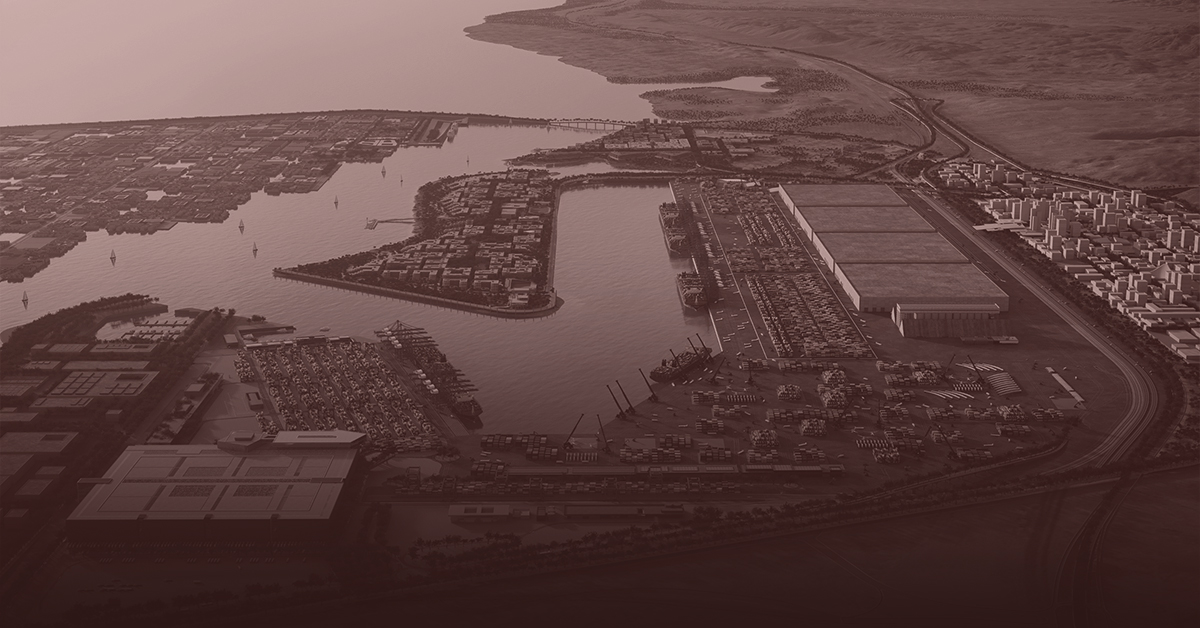
 Saudi Arabia offers an integrated industrial platform that spans national industrial cities, heavy‑industry hubs, and special zones. This guide explains how the ecosystem works. It gives you a step‑by‑step path to establish a factory. It also shows how to choose the right location based on utilities, logistics, incentives, and speed to market.
The ecosystem at a glance
MODON industrial cities. This nationwide network is designed for light and medium manufacturing, logistics, and fast starts. You will find serviced land and ready‑built factories in major regions such as Riyadh, Jeddah, and Dammam.
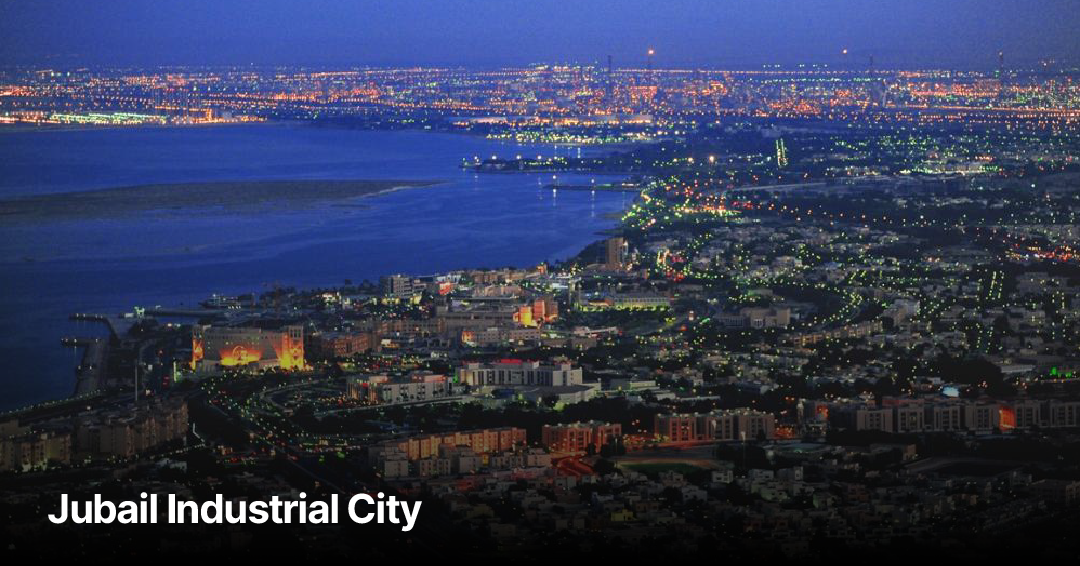
Royal Commission for Jubail and Yanbu (RCJY). These are four mega‑industrial cities purpose‑built for heavy industry and energy value chains. Jubail is on the Gulf. Yanbu is on the Red Sea. Ras Al Khair focuses on mining and maritime. Jazan City for Primary and Downstream Industries anchors the southwest.
Special Economic Zones (SEZs). These sector‑focused zones can offer tailored frameworks for manufacturing and logistics. Examples include King Abdullah Economic City (KAEC) on the Red Sea and the Special Integrated Logistics Zone at Riyadh Airport.
King Salman Energy Park (SPARK). This is an energy‑industry ecosystem in the Eastern Province for equipment manufacturers and service companies.
Which option fits which project
- Fast starts for light or clean manufacturing. Consider a MODON city with ready‑built factories. This is good for electronics assembly, packaging, FMCG, and similar footprints. See our detailed factory checklist here. How to start a Manufacturing Business in Saudi Arabia
- Energy‑intensive or integrated complexes. Evaluate RCJY cities such as Jubail and Yanbu. Add Ras Al Khair for mining and maritime clusters. Add Jazan City for southwestern logistics and heavy industry.
- Export‑oriented manufacturing or logistics. Look at KAEC on the Red Sea and the airport logistics zone in Riyadh. These can shorten transit times and simplify distribution.
- Energy equipment and services. If you manufacture valves, pumps, drilling, or power systems, review SPARK plots and utilities. Controls or integration players should also review sector steps in How to Start an Automation Business in Saudi Arabia
Need a short list of cities matched to your power, water, gas, and export needs? Request a quick comparison call.
Step‑by‑step. How foreign manufacturers set up in KSA
- MISA investment license. Obtain your foreign investment approval before incorporation.
- Company formation. Register at the Ministry of Commerce to get the Commercial Registration.
- Site selection and allocation. Apply for serviced land or a ready‑built factory with the operator. Confirm utility capacity early.
- Environmental permitting. Secure the required environmental approvals. Projects inside RCJY cities follow their specific framework.
- Industrial license. Apply at the Ministry of Industry and Mineral Resources. Plan your phases. Buildout, trial production, and production.
- Build, connect, commission. Finalize civil works. Connect power, water, and gas. Complete Civil Defense and safety clearances.
Operate with compliance. Register for tax and e‑invoicing with ZATCA. Enroll employees with GOSI. Manage HR approvals in Qiwa. Check our practical sequence and documents in How to start a Manufacturing Business in Saudi Arabia
Site‑selection checklist
Use this list to compare two or three locations in one spreadsheet.
- Supply chain fit. Check feedstock proximity, offtake partners, and import dependencies.
- Utilities. Confirm available and expandable power, water, and gas. Check connection lead times.
- Logistics. Evaluate port, airport, highway, and rail. Measure distance to customers and suppliers.
- Workforce. Assess skill availability, housing, and commute time.
- Permitting complexity. Scope environmental requirements, safety reviews, and time to commissioning.
- Facilities. Decide between serviced land and a ready‑built factory.
- Incentives and finance. Review zone‑specific terms if applicable, plus credit options like SIDF.
Total landed cost and timeline. Compare lease or rent, CAPEX, OPEX, and commissioning date.
Cost and footprint options
Serviced land. This suits larger or customized plants with specific layout and process needs. Design takes more time, but you gain long‑term flexibility.
Ready‑built factories. This suits clean and light industries that want to start quickly. Units are standardized with loading bays and essential utilities. You can pilot production here while a larger plant is being designed.
Export‑led plants. Combine a west‑coast location such as KAEC or Yanbu with bonded or logistics solutions to compress transit times.
Compliance after go‑live
- Tax. Complete ZATCA registration and e‑invoicing readiness.
- Labor. Use Qiwa for contracts and work authorizations and GOSI for social insurance.
- Operations. Maintain environmental monitoring, Civil Defense renewals, and product compliance where relevant.
Our blog post on How to Start an Automation Business in Saudi Arabia covers sector approvals that often overlap with manufacturing lines.
Frequently asked questions
What is the practical difference between MODON cities and the Royal Commission for Jubail and Yanbu (RCJY) cities?
MODON cities are optimized for light and medium manufacturing with fast starts. RCJY cities are engineered for heavy industry with integrated utilities and port pipelines.
Do SEZs automatically mean incentives?
Not automatically. Terms are zone and activity specific. Confirm details with the zone authority during modeling.
Can we start in a ready‑built factory and move later?
Yes. Many investors use a ready‑built unit to validate the line, then shift to a larger serviced plot once volumes are proven.
Do you need consultation on the best fit for the needs of your manufacturing or logistics business? Book a consultation and we will include plot options, utility notes, and a realistic permitting timeline.