




 Policy Overview
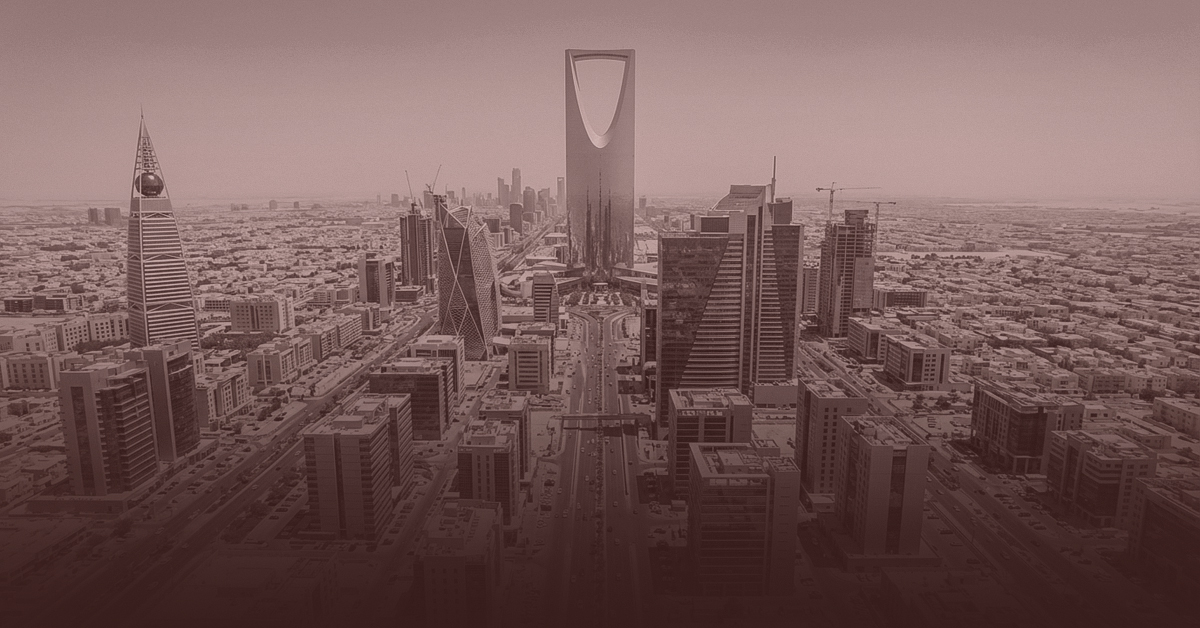
In September 2025, Saudi Arabia introduced a landmark regulation freezing rental increases in Riyadh for five years. The decision applies to both residential and commercial properties within the city’s urban boundaries. Landlords are prohibited from raising rent above the last registered lease value, with limited exceptions such as major renovations or contracts signed before 2024.
This reform is part of a broader effort to regulate the real estate sector, protect tenants, and foster long-term market stability.
The Previous Environment
Historically, Saudi Arabia’s rental market was largely landlord-driven, with limited restrictions on annual increases. Businesses often faced unpredictable hikes in lease costs, complicating financial planning and discouraging new entrants. Rising demand in Riyadh — fueled by rapid urban growth, mega-projects, and speculative landholding — further amplified the problem, leading to double-digit annual increases in some segments.
Why the Change?
The government’s decision reflects three main objectives:
- Affordability: Ensuring housing and commercial rents remain within reach for residents and businesses.
- Stability: Reducing volatility caused by speculative practices and sharp price hikes.
- Investment Climate: Creating a transparent, predictable environment aligned with Vision 2030’s goal of attracting foreign investment.
Implications for Foreign Investors
For companies and investors considering entry into Saudi Arabia, the new framework offers tangible benefits:
- Cost Predictability: Fixed rental rates for five years allow businesses to forecast operational expenses with greater accuracy.
- Lower Market Risk: Reduced exposure to sudden rent hikes strengthens financial stability for new entrants.
- Improved Transparency: Mandatory registration of contracts through the national “Ejar” platform enhances enforceability and dispute resolution.
- Stronger Investor Confidence: A regulated, tenant-friendly market aligns with global standards and demonstrates Saudi Arabia’s commitment to economic reforms.
Strategic Outlook
While the freeze currently applies only to Riyadh, similar measures may be extended to other cities if market conditions require. Combined with the upcoming Real Estate Ownership and Investment Law (effective January 2026), which expands property rights for non-Saudis in designated zones, Saudi Arabia is signaling a clear commitment to fostering a stable and investor-friendly real estate environment.
Conclusion
By curbing speculative rent increases and enhancing transparency, Saudi Arabia is making its capital more attractive to international businesses. For foreign investors, this policy shift translates into a more secure, predictable, and welcoming market entry point.