




Entertainment in Saudi Arabia. What “established” Really Means?
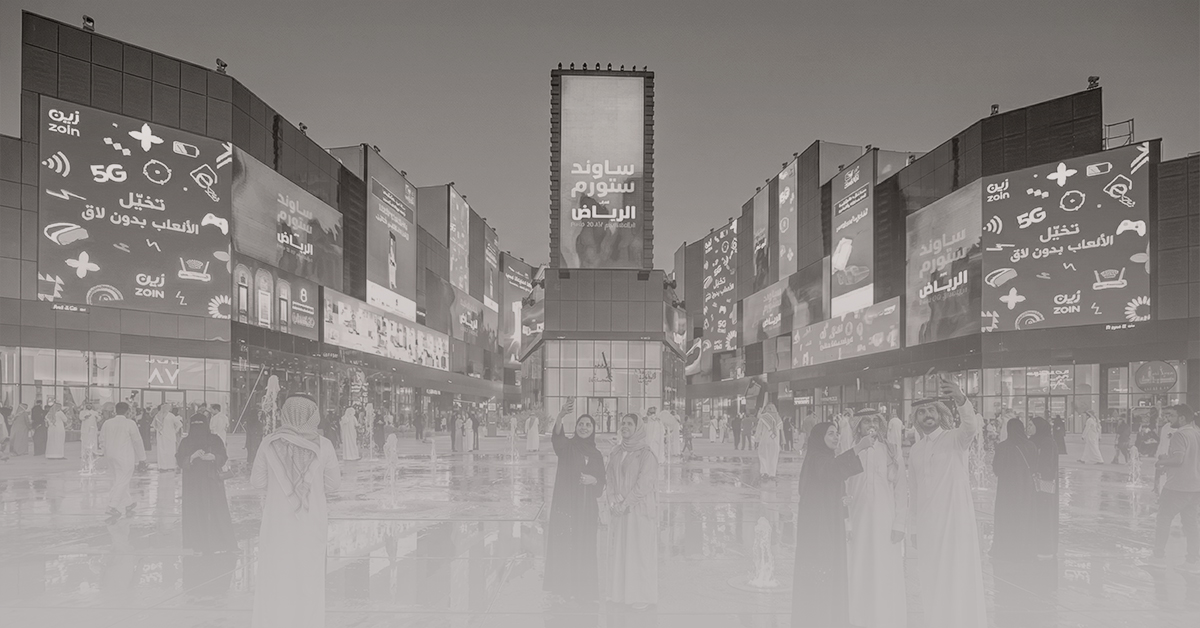
Saudi Arabia is turning entertainment into a core pillar of Vision 2030. Household spending on recreation is targeted to rise from around 2.9 percent to 6 percent of total spending by 2030.
GEA and related authorities have already issued thousands of licenses for entertainment and supporting activities.
The sector is expected to create hundreds of thousands of jobs and contribute over 4 percent of GDP in the coming years.
In this market, “having a company” is not enough. An entertainment business in KSA is only truly established when you have.
- The right MISA license and Commercial Registration for your model.
- The correct General Entertainment Authority (GEA) licenses and permits for venues, events, shows, or support activities.
- Municipal and safety approvals for your locations.
- Tax, e‑invoicing, and HR portals live and are compliant.
IncorpKSA’s role is to secure that full package for you. This article is not a DIY tutorial. It explains what must be in place so you can see the full picture while we coordinate every portal and regulator.
Essentials Every Operating Company in KSA Must Have
These are the generic items every serious entertainment business needs, regardless of your exact format.
1) MISA investment license
Foreign owned entities typically start with a license from the Ministry of Investment (MISA). MISA positions Saudi Arabia as an investment hub and issues licenses aligned to your sector and activities.
Internal link. For a full overview of entity setup, see Business Setup in Saudi Arabia. Simple Step‑by‑Step Guide.
2) Commercial Registration and company formation
You then form the company with the Ministry of Commerce, choose the structure (LLC, branch, joint stock), and link your entity to national systems for ZATCA, HRSD, GOSI, National Address, and the Chamber of Commerce.
Your Commercial Registration (CR) must list activities that fit your entertainment model and will be accepted by GEA when you apply for licenses.
3) National Address
A National Address from Saudi Post, SPL, is mandatory. It becomes the official address for government correspondence, banking, and many portal registrations.
4) Municipal license
If you operate any physical venue, office, or entertainment site, you will need a Balady municipal license from the relevant municipality. This often ties into zoning, land‑use approvals, signage, and health and safety conditions.
5) Tax and e‑invoicing readiness
The entertainment sector is fully within the scope of ZATCA.
- VAT: VAT is mandatory if taxable supplies exceed SAR 375,000 annually.
- E‑invoicing (FATOORA): All VAT‑registered entities must issue compliant e‑invoices, with Phase 2 integration being rolled out in waves.
For a detailed breakdown, see ZATCA FATOORA Qualifications.
6) HR and labor compliance
You will hire staff for operations, production, marketing, and on‑site services. That means.
- HRSD and Qiwa: Establishment registration and labor services
- GOSI: Social insurance registration and monthly contributions
- WPS and bank account: Salary payments through the wage protection system
7) Chamber of Commerce membership
Chamber membership is linked to your CR and is required for many government processes, authorizations, and visa invitations.
Entertainment Specific Approvals
Once the basics are underway, you must secure the entertainment layer. This is where the General Entertainment Authority (GEA) becomes central.
GEA regulates entertainment by issuing licenses, supervising activities, and coordinating with other authorities.
The 2023 Regulation for Licensing and Supervising Entertainment and Support Activities groups licenses into three families.
- Entertainment venues
- Entertainment events
- Support activities
How this applies to you depends on your business model.
A) Entertainment venues and family attractions
This group covers physical venues that host entertainment on an ongoing basis.
Examples:
- Family entertainment centers and indoor parks.
- Theme parks and outdoor attractions.
- Multi‑purpose event venues that host shows and festivals.
Typical GEA approvals:
- Entertainment center or theme park license for the venue.
- Event or show permits for major campaigns or festivals held in the venue.
- Different safety and capacity requirements depending on scale.
These licenses are requested through GEA’s Entertainment Portal and related systems, which centralise licensing and connect to other authorities.
If your venue overlaps with tourism, you can also refer to How to Start a Tourism Business in Saudi Arabia for Ministry of Tourism licensing and accommodation rules.
B) Events and live show organisers
If your core model is to produce shows or events, your focus is on the entertainment events and support activities categories.
Common licenses and permits.
- Permit to organize an entertainment event. Used for festivals, multi‑day events, and multi‑component experiences.
- Entertainment show permits. Required for live shows at a specific time and place, for example concerts, stand‑up nights, or magic shows.
- Live shows in restaurants and cafés permit. Used when restaurants or cafés host regular performances.
Internal link. When you plan shows in F&B concepts, read How to Start a Restaurant Business in Saudi Arabia alongside this article.
Some businesses also secure a support activity license such as crowd management or ticketing accreditation if they perform those functions directly.
If your model mixes venues, festivals, and live shows, you can request a short GEA licensing map so you know exactly which license family each revenue stream sits in.
C) Talent, production, and content agencies
Saudi policy actively encourages private investment in artist agencies and content development. For example, Invest Saudi highlights the opportunity to build music artist management agencies under the Tourism and Quality of Life sector.
Depending on scope, you may need.
- Support activity licenses from GEA, such as artist and talent management
- Specific registration for performers and content creators under GEA systems.
These businesses usually do not run venues, but still touch events and shows through their clients, contracts, and IP.
D) Ticketing platforms and crowd management providers
Support activities also include:
- Ticketing accreditation. For platforms that sell or manage tickets and need direct integration with GEA systems.
- Crowd management accreditation. For specialist firms that handle security, stewarding, and flows at larger venues and festivals.
If you run your own platform or security operation, you do not want to find out later that it needs its own license. It is best to decide up front whether to build or partner.
From Idea to Fully Licensed Entertainment Business – Step by Step
Here is how all of this comes together in practice:
Step 1. Define your model clearly
Decide whether you are primarily:
- A venue owner or operator.
- An events and shows producer.
- A content and talent agency.
- A ticketing or support provider.
Many groups combine two or three of these, but clarity on the lead model keeps licensing manageable.
Step 2. Map the generic approvals
Use your model and launch city to map.
- MISA license type.
- Company structure and CR activities.
- Municipal license and zoning for physical sites.
- Core tax, HR, and banking requirements.
Internal link. For the basics, refer back to Business Setup in Saudi Arabia. Simple Step‑by‑Step Guide.
Step 3. Map the entertainment‑specific approvals
Using the GEA regulation and investor guide, map:
- Which venue licenses you need, if any.
- Which events or show permits you need for each product type.
- Which support licenses apply, such as ticketing, crowd management, or talent management.
This is the step where many investors underestimate the number of moving parts.
Step 4. Align timelines and dependencies
Some approvals depend on others. For example:
- A venue may require Civil Defense and municipality approvals before GEA will license it as an entertainment venue.
- A show permit usually depends on the organiser having an appropriate CR and any relevant sector licenses already in place.
Building a realistic critical path prevents you from selling tickets before you actually have the permits.
If you share your model, planned cities, and opening dates, we can turn this into a dated approvals plan, so your construction, marketing, and hiring teams work to the same timeline.
Step 5. Integrate finance, tax, and e‑invoicing
Entertainment businesses in KSA handle a lot of B2C payments. That means your POS, online ticketing, and back‑office systems must be aligned with VAT and FATOORA from day one.
Use our blog on ZATCA FATOORA Qualifications as your technical checklist for e‑invoicing.
Step 6. Build HR, visas, and payroll around seasonality
Entertainment is often seasonal. peaks during Riyadh Season, Jeddah Season, and other festivals. Make sure your.
- Visa strategy and Saudization plan are aligned with seasonal hiring.
- Qiwa quotas, GOSI registrations, and WPS payroll are in place.
IncorpKSA can align GRO and HR services so compliance keeps pace with your ramp‑up.
What You Provide vs What IncorpKSA Delivers
You provide:
- Parent company documents for MISA.
- Initial model description. venue, show, agency, or platform.
- Planned locations and leases or term sheets.
- Brand, concept decks, and preliminary financials.
IncorpKSA delivers:
- A route map that links your model to concrete MISA, CR, GEA, municipal, tourism, and safety approvals
- A document and inspection plan that lists each portal, each regulator, and which evidence they expect
- Application drafting and filing across MISA, Ministry of Commerce, GEA, Balady, Civil Defense, tourism, and tax and HR portals
- A go‑live checklist and renewal calendar so you are not caught out by expiring approvals
You can see how we structure this in other sectors:
Taxes and Ongoing Obligations for Entertainment Businesses
Once you are live, you will need to keep several compliance lines moving.
- VAT and FATOORA. Ongoing VAT returns, e‑invoice clearance or reporting, and record keeping.
- Labor portals. Qiwa, GOSI, and payroll must remain aligned with staff changes.
- GEA license renewals. Venue and support licenses must be renewed, often with proof of continued compliance.
- Safety and municipality. Renew Civil Defense certificates, municipal licenses, and any temporary structure approvals according to their cycles.
For construction‑heavy or outdoor sites, NCEC or environmental conditions may also apply.
See National Center for Environmental Compliance (NCEC) Requirements for Construction Companies for the environmental side of complex sites.
Common Pitfalls and How to Avoid Them
From current regulations and market practice, typical issues include.
- Operating shows or attractions on a generic CR without the right GEA license.
- Renting space and building out a venue before confirming that zoning, Civil Defense, and GEA venue licensing are feasible.
- Selling tickets or announcing events before permits are issued.
- Treating FATOORA as an afterthought instead of building it into POS and ticketing stacks.
- Underestimating visa, Saudization, and seasonal staffing rules.
Quick Readiness Checklist
Share with us:
- Your entertainment model. venue, event company, talent agency, ticketing or mixed.
- Planned city or cities and any preferred sites.
- Whether you will run F&B, hospitality, or tourism products under the same brand.
- Go‑live dates and any fixed commitments with artists or partners.
We return:
- A license and permit list covering MISA, CR, GEA, municipality, tourism, safety, and tax.
- A phased timeline that aligns approvals with construction, fit‑out, hiring, and marketing.
- An itemised quote for government fees where published plus our professional scope.
Conclusion
Setting up an entertainment business in Saudi Arabia is no longer about a single license. It is about aligning investment, company formation, GEA licensing, safety approvals, tax, and HR into one coherent plan.
The upside is significant. A fast growing market, strong public investment, and rising demand for high quality experiences. The risk is delay or rework if the regulatory sequence is not planned properly.
If you want to turn your idea into a concrete approvals roadmap, you can reach out to IncorpKSA for a short entertainment setup overview. We will map your exact model to the required licenses, permits, and deadlines, so your team can focus on experiences while we handle the ministries and portals.